Plan printing variable data on textile labels around your identifiers, substrates, production events, system interfaces, exceptions and verification records. Discuss a practical data-flow approach with Oxford Traceability.
Speak directly with Oxford Traceability about printing variable data on textile labels.
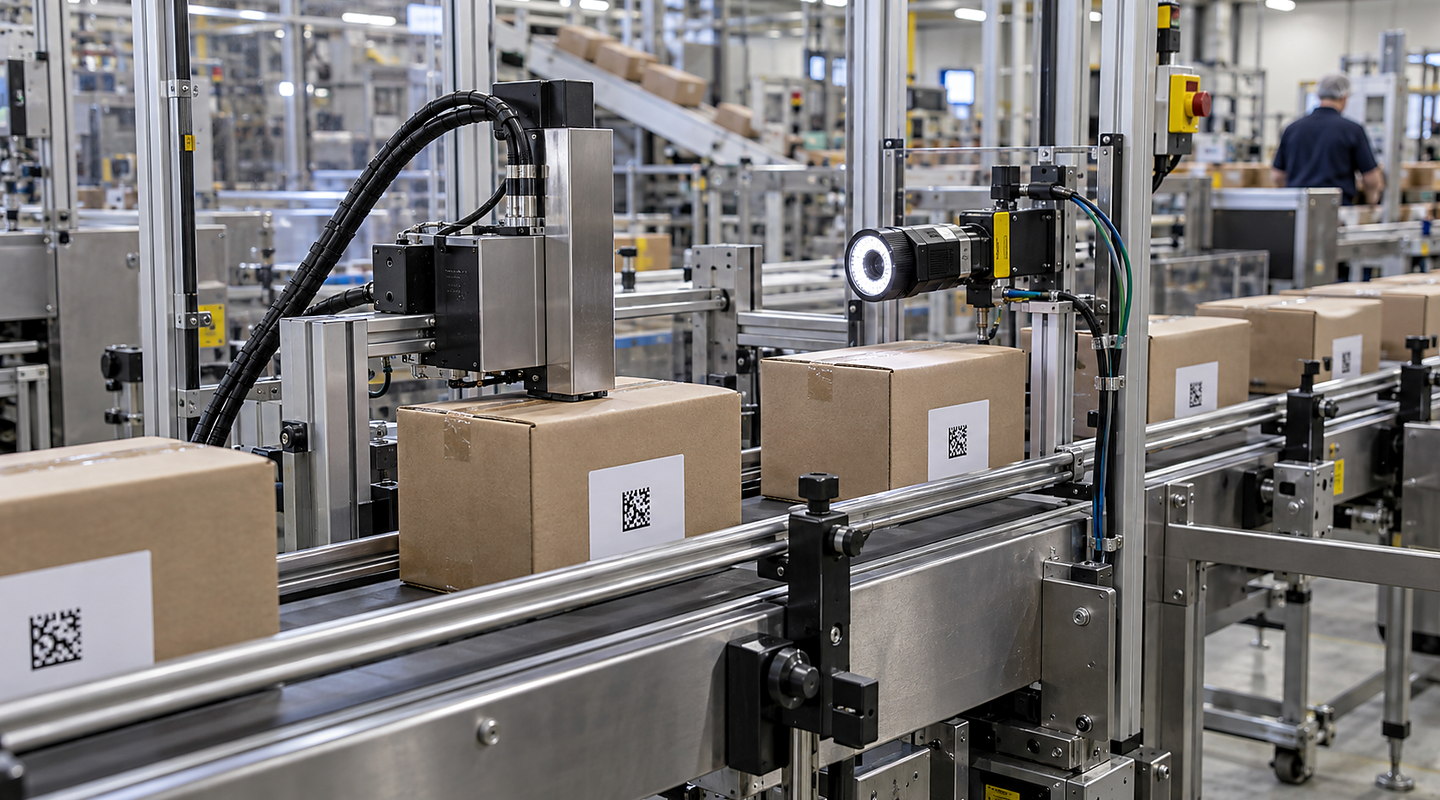
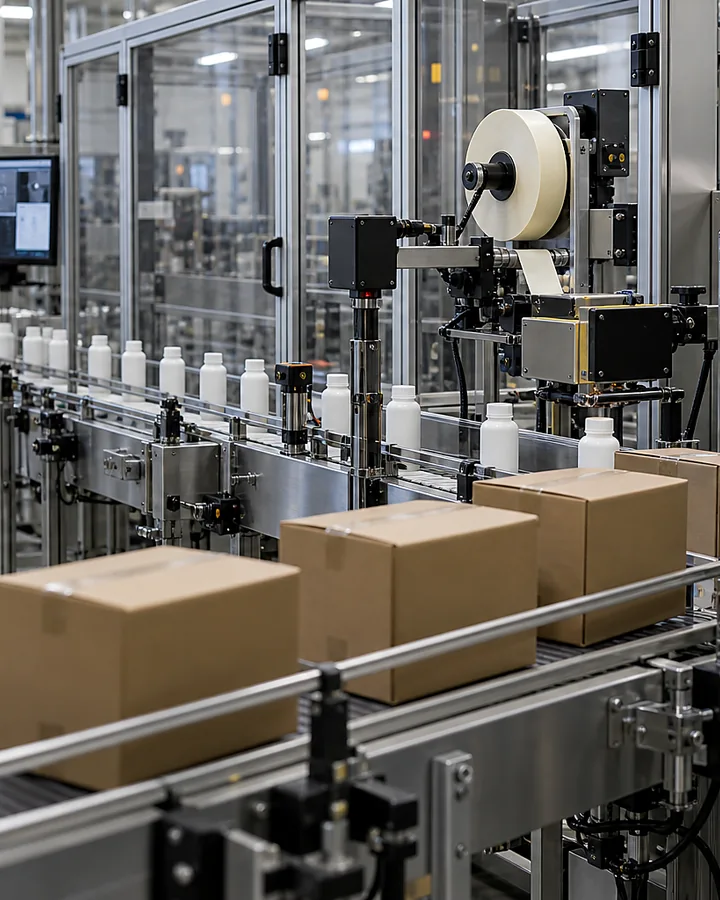
General industrial marking and labelling photographs. Textile suitability depends on trials with the actual label material, print, attachment and intended washing or finishing process.
Quick answer
Which printer and label material suit our textile identification needs?
Specify the label purpose, fabric or attachment method and the printed information. Include laundering, drying and finishing conditions where relevant. Trial the complete label and print combination through the intended process, checking legibility and attachment, and define how job changes and duplicate identifiers are controlled.
Application decisions
Match textile label printing to the label’s working life
A garment care label, laundry identifier and temporary production tag have different duties. Define the label purpose and expected treatment before comparing printing, media and data-control arrangements.
Decision 1
Separate permanent and temporary labels
State whether the label remains through use and laundering or only identifies work during production. Record the fabric or item, attachment method and location. A temporary adhesive tag should not be specified from the same assumptions as a sewn-in care label. Include comfort, folding and visible presentation requirements where these matter to the finished article.
Decision 2
Trial the complete print and media combination
Provide the actual textile-label stock, intended ribbon or ink route and printed layout. Surface weave and coating can affect fine characters and edges. Assess the smallest text and machine-readable symbols, not just a bold sample heading. A successful result on ordinary paper does not establish performance on the intended fabric label.
Decision 3
Define laundering and finishing conditions
Ask the product owner to state the wash, drying, pressing or other treatment the label must withstand. Trial printed and attached samples through the relevant sequence, then inspect legibility and physical condition. Do not assume that an initial readable mark remains readable in service. Any durability claim must be tied to the tested media, printing process and conditions.
Decision 4
Plan data, language and layout changes
Map product identity, size, batch, care text and customer-specific fields to their approved source. Identify which parts of the design are fixed and which change per job. The responsible brand or product team must approve care information and market requirements. Printer integration should reproduce that approved content consistently rather than inventing or inferring it from a product name.
Decision 5
Verify codes in their final position
If a barcode or other code is required, test it after the label is folded, sewn or attached as intended. Curvature, stitching and reduced visible area can alter read conditions. Define the reader and operational purpose, and keep print quality separate from data correctness. The decoded identity should still match the item or production record after attachment.
Decision 6
Control reprints and finishing waste
Record how labels are cut, stacked and matched with the corresponding batch or item. Agree the handling of spoiled prints, unused labels and authorised replacements, particularly for unique identifiers. Challenge a job change so old labels cannot be mixed into the next run. The useful acceptance result covers printing, finishing and issue to production as one workflow.
Two useful starting points for printing variable data on textile labels
The right choice changes with identifier and data rules for printing variable data on textile labels, substrate, label or tag behaviour, your line layout and required results.
Control textile-label artwork from release to the finished article
A textile label job combines approved content, a printable layout and an attachment process. Keep those decisions together when a garment variant, language or material changes. A clear print is not sufficient if it uses an obsolete layout or is fitted to the wrong article.
Separate required content from printer formatting
Have the responsible product team approve the care, composition and other required information for the intended market. The printing workflow should receive that approved content, not generate unreviewed product claims. Define which fields vary by article and which remain fixed in the released template.
Check the smallest finished label
Use the longest approved text and actual symbol artwork at production size. Include folds, cut edges and the sewing allowance when defining the usable area. Assess the label in its installed position so text that is visible on a flat roll does not become hidden inside a seam.
Keep material and print approvals specific
Record label stock, ribbon or ink, printer settings and attachment route. Compare the complete construction after the intended laundering, drying and finishing sequence. Treat durability of the printed image separately from attachment and condition of the textile; approval of one combination does not cover every material in a range.
Resolve revisions and part-used rolls
When artwork changes, identify labels already printed, awaiting application or attached to work in progress. Define the disposition of obsolete stock and how a restarted job selects the correct version. Keep reprints associated with the approved article and revision rather than relying on the most recently opened file.
A worked planning example
For illustration, an article is produced in two language variants with otherwise identical labels. A trial should deliberately select the wrong variant and demonstrate the checking step before application. A later artwork revision should remain distinguishable from both earlier variants, including on part-used rolls returned to storage.
Acceptance questions to resolve
Is the content approved independently of the printer layout?
Are folds, cutting and sewing allowances included in readability checks?
Does the durability trial use the full print/material combination?
Can obsolete or wrong-variant labels be prevented from entering a new job?
Mark, label, tag and reader performance depends on the real substrate and environment.
A readable code does not prove that its encoded data is correct or reconciled.
Retention, privacy and regulatory rules must be defined by the responsible organisation.
Your final solution for printing variable data on textile labels must reflect the law, current standards and site-specific risks that apply to your installation.