Identifier and Data Rules for Printing Variable Data on Textile Labels: Data and identifier definition
How should identifier and data rules for printing variable data on textile labels be investigated before specifying printing variable data on textile labels?
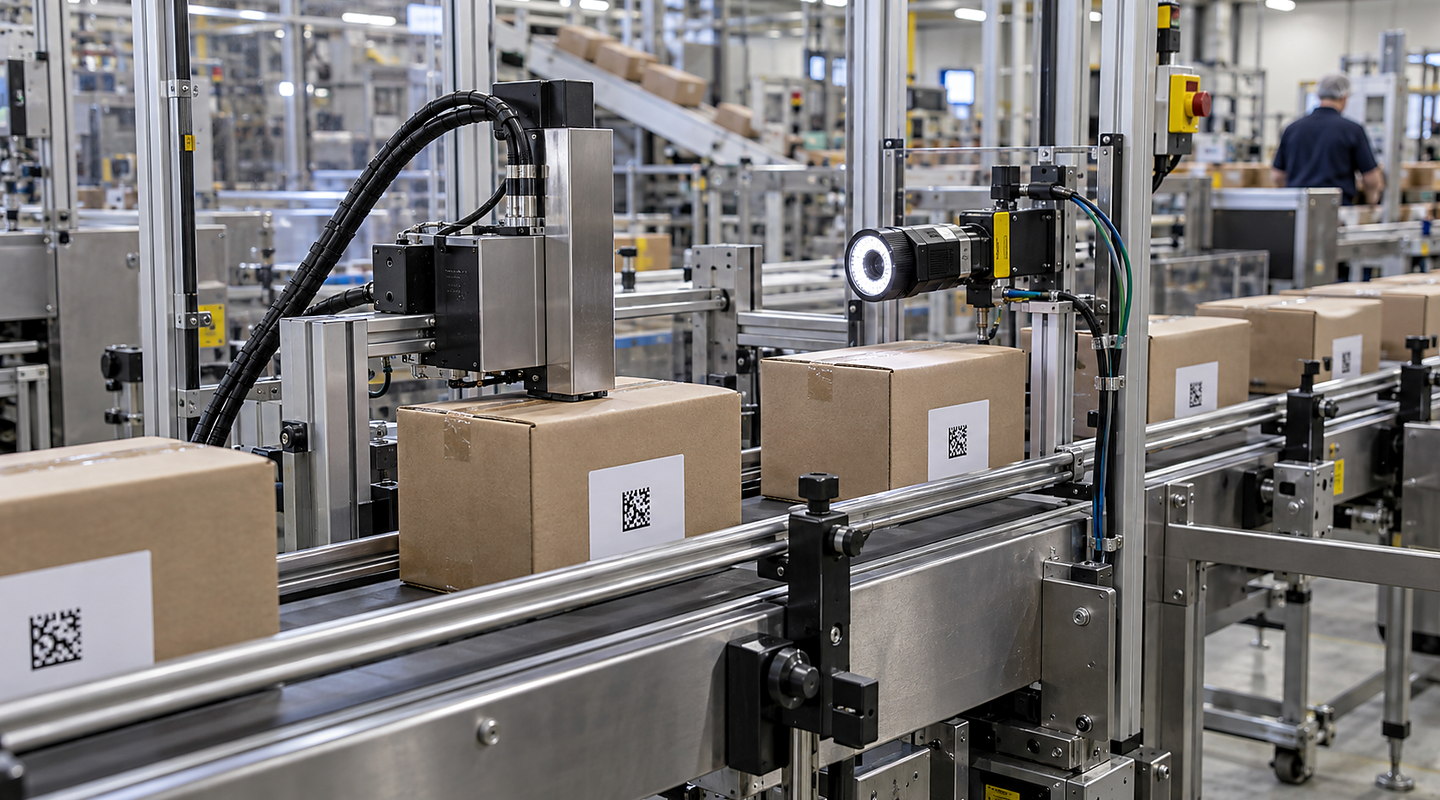
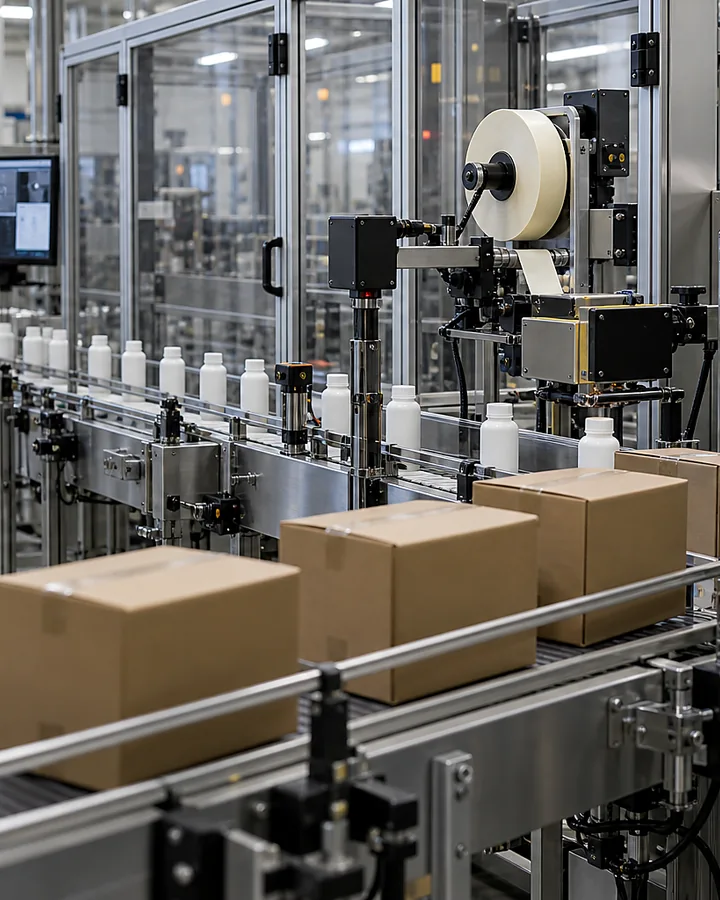
General industrial marking and labelling photographs. Textile suitability depends on trials with the actual label material, print, attachment and intended washing or finishing process.
In brief
Variable data is the information that changes between textile-label jobs, batches or items, such as a size, batch reference or approved customer field. Define each field, its authoritative source and its permitted relationship to the item; keep content approval separate from layout and printing. Record this in the application checklist.
For production identification using printing variable data on textile labels, describe the realistic range and how changes in identifier and data rules for printing variable data on textile labels affect the result you need.
On the production floor
Turn your production information into clearer decisions — Printing Variable Data on Textile Labels
Plan printing variable data on textile labels around your identifiers, substrates, production events, system interfaces, exceptions and verification records. Discuss a practical data-flow approach with Oxford Traceability. Use this guide to resolve identifier and data rules for printing variable data on textile labels before it limits the final system.
Identifier and Data Rules for Printing Variable Data on Textile Labels: condition, range and effect on your process
Current condition
Create a field map showing the name, meaning, approved source, expected format and whether each value is fixed, job-level, batch-level or item-specific. Distinguish a product reference shared by many items from an identifier that must be unique.
Realistic range
Use examples spanning real languages, text lengths, product variants and layout revisions. Include missing, conflicting or obsolete values and agree which cases must be held for review rather than replaced with an assumed default.
Effect on the system
Name who approves care, composition and customer wording, who releases artwork or templates, and who may change variable values. A printer or data interface should reproduce approved information, not infer treatment instructions from a product name.
Before you contact us
Five questions about identifier and data rules for printing variable data on textile labels for your application
Who can confirm this information?Identify the person responsible for identifier and data rules for printing variable data on textile labels in production, quality, engineering or operations.
How representative is the sample?Include age, supplier, batch, environment and upstream process state where they affect printing variable data on textile labels.
What is the difficult condition?Challenge an obsolete layout, a job with conflicting source values and an authorised reprint whose original issue status is uncertain. Agree the responsible review and reconciliation route before printing resumes.
How will you judge the result?Agree the method, repetitions, acceptable range, result record and the response if the observed result falls outside the agreed range.
What else must be coordinated?Your final printing variable data on textile labels scope must also account for exception, rework and duplicate handling, verification, retention and reconciliation evidence, current regulations and the conditions at your site.
Connected details
Review identifier and data rules for printing variable data on textile labels as part of the complete system
Question 1
Identifier and Data Rules for Printing Variable Data on Textile Labels
For Identifier and Data Rules for Printing Variable Data on Textile Labels: Data and identifier definition, describe the current position, required outcome, acceptable limits and known exceptions for identifier and data rules for printing variable data on textile labels. That lets us compare options against your real production rather than one nominal value.
Question 2
Substrate, Label or Tag Behaviour
For Identifier and Data Rules for Printing Variable Data on Textile Labels: Data and identifier definition, describe the current position, required outcome, acceptable limits and known exceptions for substrate, label or tag behaviour. That lets us compare options against your real production rather than one nominal value.
Question 3
Production Speed and Read-Point Conditions
For Identifier and Data Rules for Printing Variable Data on Textile Labels: Data and identifier definition, describe the current position, required outcome, acceptable limits and known exceptions for production speed and read-point conditions. That lets us compare options against your real production rather than one nominal value.
Question 4
Line, Business-System and Network Interfaces
For Identifier and Data Rules for Printing Variable Data on Textile Labels: Data and identifier definition, describe the current position, required outcome, acceptable limits and known exceptions for line, business-system and network interfaces. That lets us compare options against your real production rather than one nominal value.
Question 5
Exception, Rework and Duplicate Handling
For Identifier and Data Rules for Printing Variable Data on Textile Labels: Data and identifier definition, describe the current position, required outcome, acceptable limits and known exceptions for exception, rework and duplicate handling. That lets us compare options against your real production rather than one nominal value.
Question 6
Verification, Retention and Reconciliation Evidence
Check the printed text and any decoded value against the released source record, then confirm association with the intended batch or item. Readability, data correctness and reconciliation are separate checks; retain the revision and reprint history needed to explain the result.