Substrate, Label or Tag Behaviour: Marking-method selection
What decisions about substrate, label or tag behaviour materially change the system concept for printing variable data on textile labels?
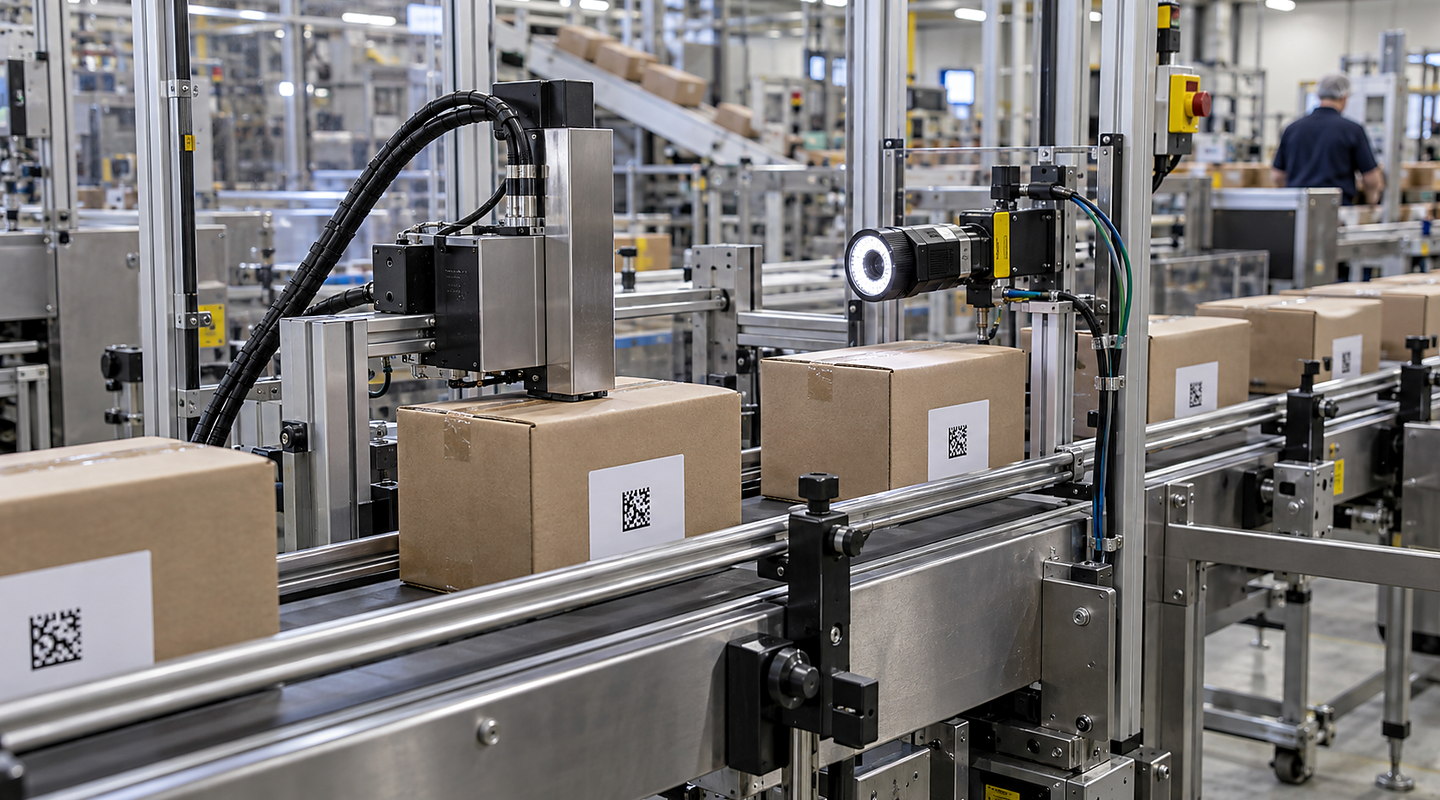
General industrial marking and labelling photographs. Textile suitability depends on trials with the actual label material, print, attachment and intended washing or finishing process.
In brief
Select textile-label media for the label duty, attachment and expected treatment, using the actual print combination. Evaluate small text and required codes after folding or sewing and after the relevant washing or finishing sequence. Use the acceptance plan to record exactly what has been demonstrated.
For production identification using printing variable data on textile labels, describe the realistic range and how changes in substrate, label or tag behaviour affect the result you need.
On the production floor
Turn your production information into clearer decisions — Printing Variable Data on Textile Labels
Plan printing variable data on textile labels around your identifiers, substrates, production events, system interfaces, exceptions and verification records. Discuss a practical data-flow approach with Oxford Traceability. Use this guide to resolve substrate, label or tag behaviour before it limits the final system.
Substrate, Label or Tag Behaviour: condition, range and effect on your process
Current condition
Record the stock, weave or coating, dimensions, proposed ribbon or ink route, layout and attachment method. Keep representative material from the intended range; a result on paper or one textile stock does not establish another combination.
Realistic range
Separate temporary production identification from labels retained through use and laundering. The product owner should specify the relevant washing, drying, pressing or finishing conditions and how legibility, attachment and physical condition will be judged.
Effect on the system
Check the final folded, sewn or attached label, including the visible area, stitching and any code presentation. Keep comfort and appearance requirements with the functional checks where they matter to the finished article.
Before you contact us
Five questions about substrate, label or tag behaviour for your application
Who can confirm this information?Identify the person responsible for substrate, label or tag behaviour in production, quality, engineering or operations.
How representative is the sample?Include age, supplier, batch, environment and upstream process state where they affect printing variable data on textile labels.
What is the difficult condition?Include the smallest required text or symbol in its final attached position and material exposed to the agreed treatment. Record fading, edge loss, damage or attachment changes observed; do not generalise durability beyond the tested combination and conditions.
How will you judge the result?Agree the method, repetitions, acceptable range, result record and the response if the observed result falls outside the agreed range.
What else must be coordinated?Your final printing variable data on textile labels scope must also account for exception, rework and duplicate handling, verification, retention and reconciliation evidence, current regulations and the conditions at your site.
Connected details
Review substrate, label or tag behaviour as part of the complete system
Question 1
Identifier and Data Rules for Printing Variable Data on Textile Labels
For Substrate, Label or Tag Behaviour: Marking-method selection, describe the current position, required outcome, acceptable limits and known exceptions for identifier and data rules for printing variable data on textile labels. That lets us compare options against your real production rather than one nominal value.
Question 2
Substrate, Label or Tag Behaviour
For Substrate, Label or Tag Behaviour: Marking-method selection, describe the current position, required outcome, acceptable limits and known exceptions for substrate, label or tag behaviour. That lets us compare options against your real production rather than one nominal value.
Question 3
Production Speed and Read-Point Conditions
For Substrate, Label or Tag Behaviour: Marking-method selection, describe the current position, required outcome, acceptable limits and known exceptions for production speed and read-point conditions. That lets us compare options against your real production rather than one nominal value.
Question 4
Line, Business-System and Network Interfaces
For Substrate, Label or Tag Behaviour: Marking-method selection, describe the current position, required outcome, acceptable limits and known exceptions for line, business-system and network interfaces. That lets us compare options against your real production rather than one nominal value.
Question 5
Exception, Rework and Duplicate Handling
For Substrate, Label or Tag Behaviour: Marking-method selection, describe the current position, required outcome, acceptable limits and known exceptions for exception, rework and duplicate handling. That lets us compare options against your real production rather than one nominal value.
Question 6
Verification, Retention and Reconciliation Evidence
For Substrate, Label or Tag Behaviour: Marking-method selection, describe the current position, required outcome, acceptable limits and known exceptions for verification, retention and reconciliation evidence. That lets us compare options against your real production rather than one nominal value.