Printing Variable Data on Textile Labels Specification Checklist
Use this practical checklist to describe your requirements for printing variable data on textile labels around real identifiers, substrates, production data and system interfaces, line connections and required results.
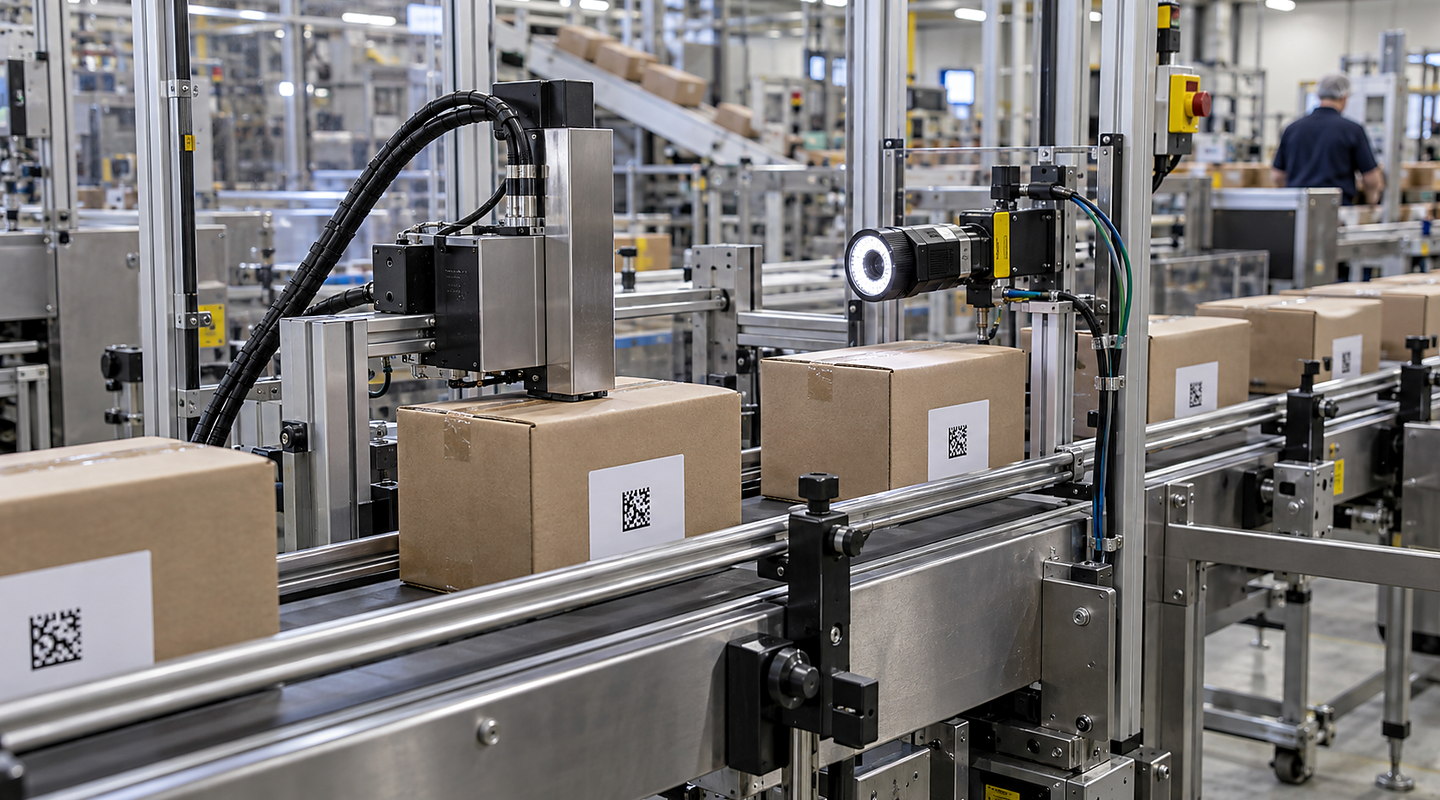
General industrial marking and labelling photographs. Textile suitability depends on trials with the actual label material, print, attachment and intended washing or finishing process.
In brief
Specify the textile-label duty, approved fixed and variable fields, actual print and media combination, final attachment and intended treatment. Separate confirmed requirements from trial questions and use the data-rule guide to identify who owns content, revisions and reprint decisions.
Use this checklist for production identification using printing variable data on textile labels and separate confirmed facts, realistic ranges and items that need a trial.
On the production floor
Describe what the complete process needs to achieve — Printing Variable Data on Textile Labels
Plan printing variable data on textile labels around your identifiers, substrates, production events, system interfaces, exceptions and verification records. Discuss a practical data-flow approach with Oxford Traceability. A clear brief should state the operating range for identifier and data rules for printing variable data on textile labels and your requirements for verification, retention and reconciliation evidence.
For Printing Variable Data on Textile Labels, turn each checklist item into a range and a test
Requirement
State what must remain correct and usable: approved content, label-to-item association, legibility or required code reading, attachment and any treatment-dependent condition. Name the responsible owner for content approval and each acceptance decision.
Range
Record textile stock, label dimensions, print route, layouts, languages and job or item variation. Include the final folded or sewn position, treatment conditions and production steps; keep future variants separate from those actually offered for trial.
Check
Agree representative samples and checks for data correctness, printed appearance, final-position reading and treatment where relevant. Include job changes, unused labels and authorised reprints, with a record that reconciles label issue to the intended batch or item.
For printing variable data on textile labels, use “shall” only for a requirement that can be demonstrated. Keep preferences, assumptions, provisional line connections and future options clearly separate.
Connected responsibilities
Be clear about what sits around your printing variable data on textile labels
Your final printing variable data on textile labels scope must also account for exception, rework and duplicate handling, verification, retention and reconciliation evidence, current regulations and the conditions at your site.
Mark, label, tag and reader performance depends on the real substrate and environment.
A readable code does not prove that its encoded data is correct or reconciled.
Retention, privacy and regulatory rules must be defined by the responsible organisation.