Printing Variable Data on Textile Labels: How the Process Works
Follow the operating sequence for printing variable data on textile labels, from preparing the input and controlling the main task to handling exceptions and checking results.
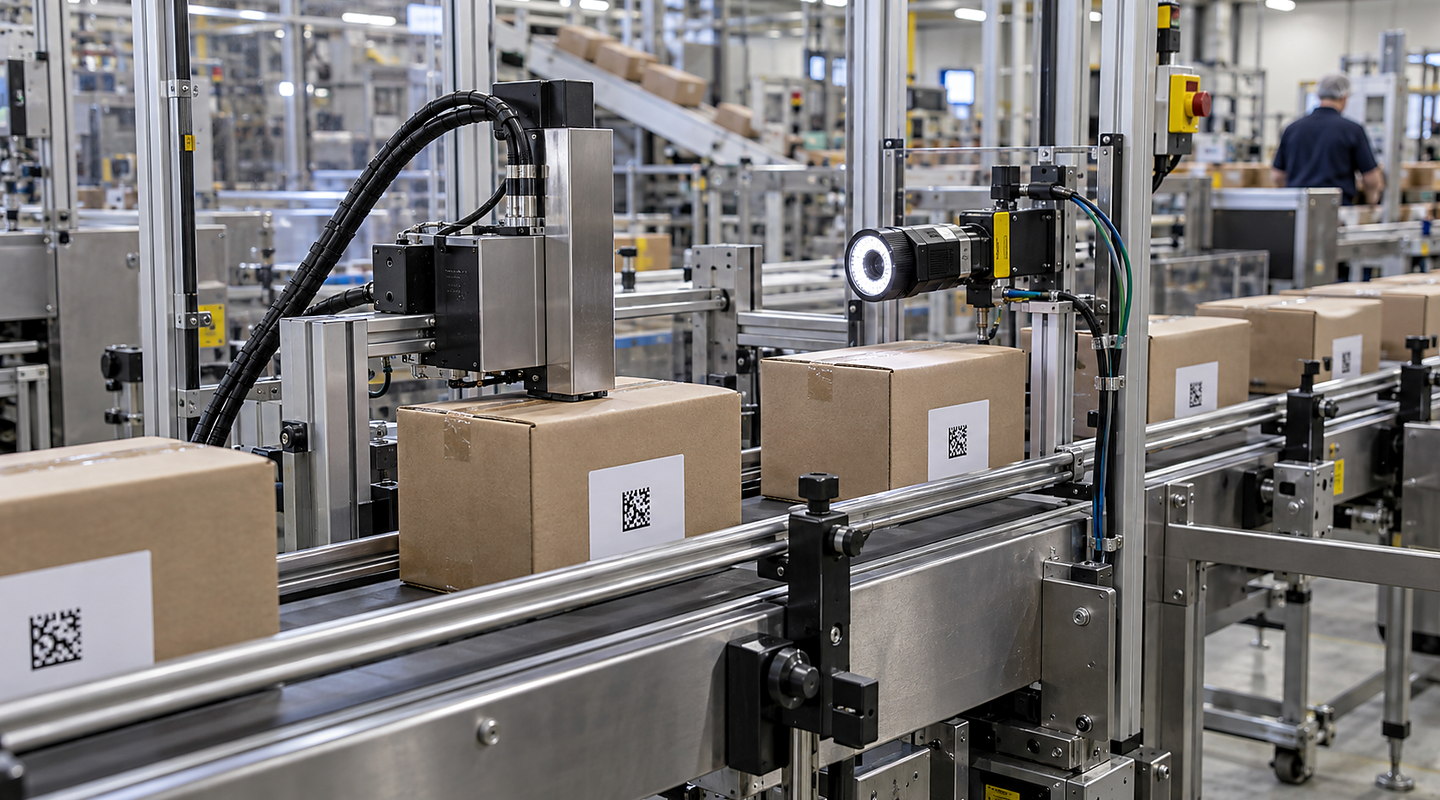
General industrial marking and labelling photographs. Textile suitability depends on trials with the actual label material, print, attachment and intended washing or finishing process.
Textile label printing starts with approved content and the intended label duty, then follows the job through printing, cutting or stacking, attachment and issue to production. Check data correctness separately from readability and from performance after the intended treatment. Begin with the identifier and data rules.
For your application, the important details include identifier and data rules for printing variable data on textile labels, substrate, label or tag behaviour, production speed and read-point conditions, and line, business-system and network interfaces.
Understand the complete route from input to accepted output — Printing Variable Data on Textile Labels
Plan printing variable data on textile labels around your identifiers, substrates, production events, system interfaces, exceptions and verification records. Discuss a practical data-flow approach with Oxford Traceability. Follow the material or part through each operating step and include recovery, cleaning and change in the real cycle.
Discuss your application

Four clear stages for printing variable data on textile labels
At each stage, you can review how identifier and data rules for printing variable data on textile labels and verification, retention and reconciliation evidence affect the next commitment.
- 01
Define Identifiers, Events and Authoritative Data Sources
Map product identity, size, batch, care text and customer fields to their approved sources. Record the layout revision, language and values that change per job or item. The responsible product team approves the content; printing reproduces that decision.
- 02
Trial the Mark, Label, Tag or Read Method
Use the actual label stock, proposed ribbon or ink route and representative layouts. Check small text and required codes after folding, sewing or attachment, and repeat the relevant checks after the owner-defined washing, drying or finishing sequence.
- 03
Integrate Devices, Controls and Production Data
Define how a job and its approved revision reach the print step, how printed labels stay with the correct batch or item, and what happens when data or an acknowledgement is unavailable. Agree system responsibilities before assuming an interface is included.
- 04
Challenge Exceptions and Reconcile Agreed Records
Challenge a job change, spoiled print, authorised reprint and interruption. Reconcile issued, unused and rejected labels against the agreed production record, keeping the disposition of replacements clear rather than assuming a readable duplicate is acceptable.
Decisions and results stay connected
| Stage | What happens | What you can review |
|---|---|---|
| Define Identifiers, Events and Authoritative Data Sources | Identify fixed and variable fields, their approved source, layout revision and the batch or item each label belongs to. | An approved field map and examples of valid, missing, obsolete or conflicting information; content decisions remain with the responsible owner. |
| Trial the Mark, Label, Tag or Read Method | Trial the real textile stock and print combination through the intended cutting, folding, attachment and treatment sequence. | Legibility and physical-condition observations tied to media, print settings, layout and treatment; required codes checked in their final position. |
| Integrate Devices, Controls and Production Data | Define job selection, revision transfer, print confirmation and label issue to the matching batch or item. | An interface and responsibility record including unavailable data, interrupted work and the checks needed before release resumes. |
| Challenge Exceptions and Reconcile Agreed Records | Evaluate job changes, spoiled labels, unused stock and authorised replacements under the agreed workflow. | A record reconciling printed and issued labels with rejects, unused labels and reprints, plus outstanding exceptions and owner approvals. |
Keep connected responsibilities clear
Your final printing variable data on textile labels scope must also account for exception, rework and duplicate handling, verification, retention and reconciliation evidence, current regulations and the conditions at your site.
- Mark, label, tag and reader performance depends on the real substrate and environment.
- A readable code does not prove that its encoded data is correct or reconciled.
- Retention, privacy and regulatory rules must be defined by the responsible organisation.