Printing Variable Data on Textile Labels Selection Guide
Choose printing variable data on textile labels by comparing your parts, process, rate, access, data needs and required results.
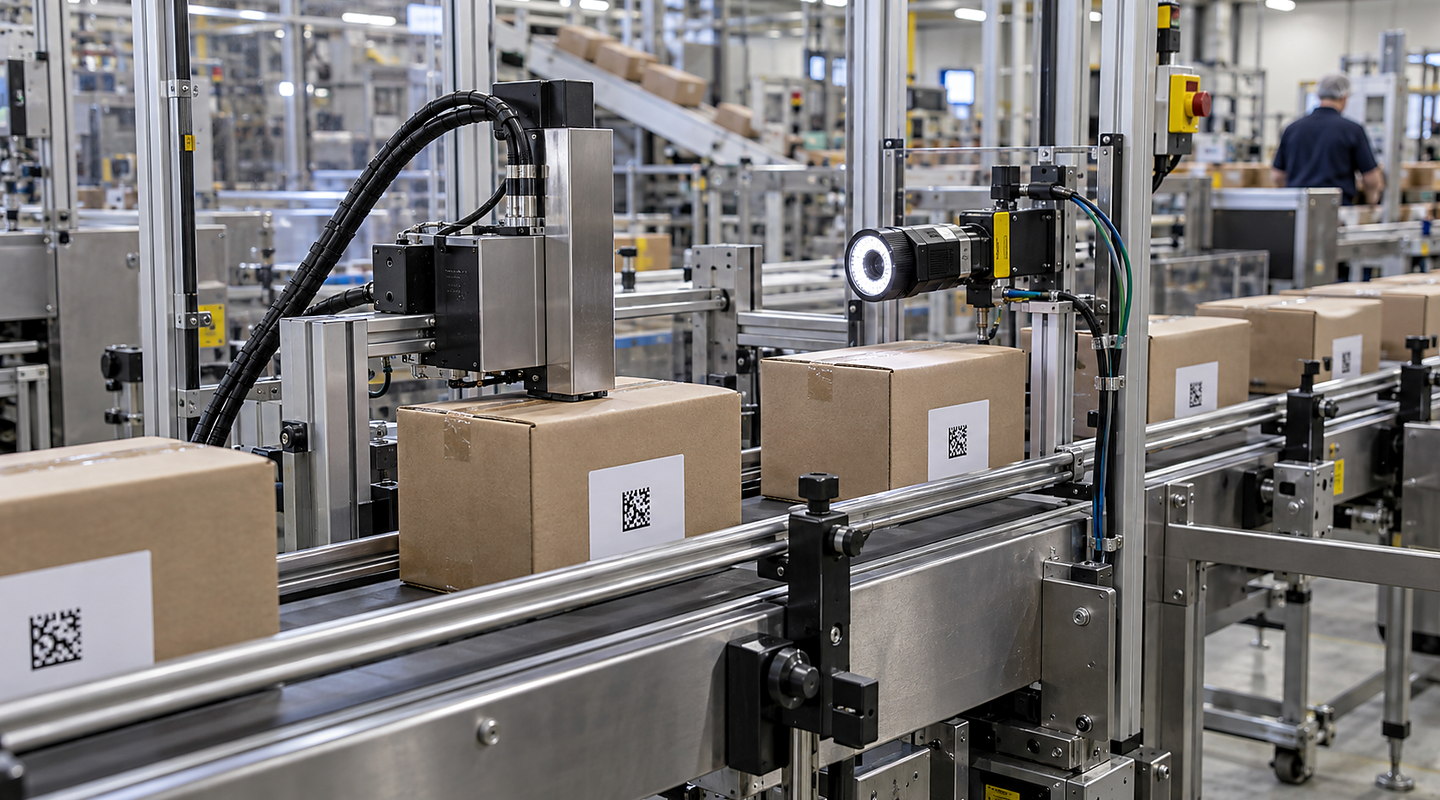
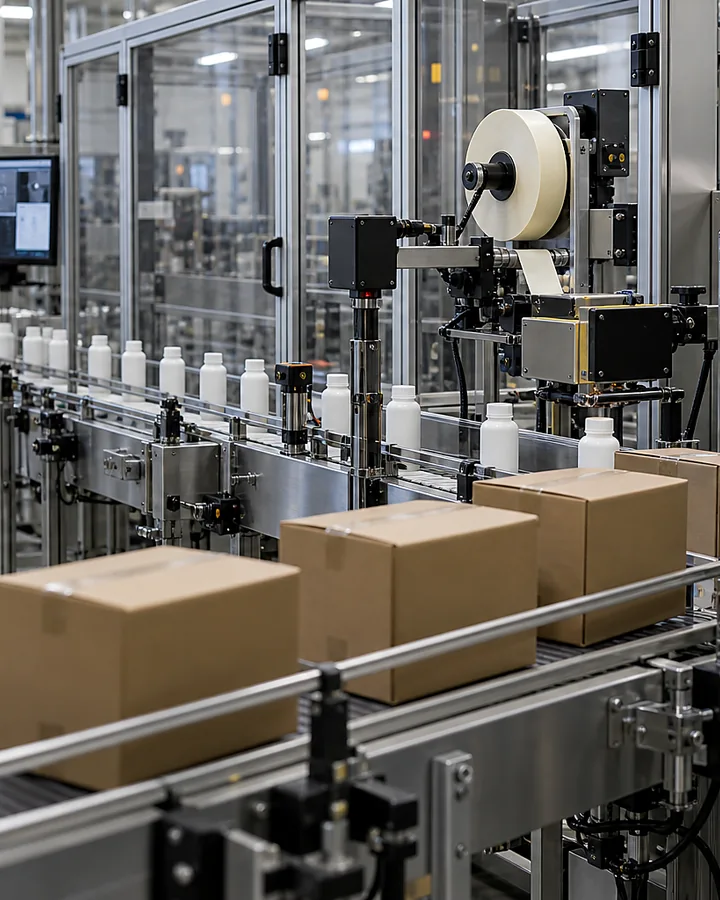
General industrial marking and labelling photographs. Textile suitability depends on trials with the actual label material, print, attachment and intended washing or finishing process.
Choose printing variable data on textile labels by how well each option handles your real variation, line connections, safe access, maintenance and required results—not headline speed alone.
For production identification using printing variable data on textile labels, a short trial that reproduces the difficult condition is often more useful than a long list of nominal specifications.
Compare options in the conditions where they must work — Printing Variable Data on Textile Labels
Plan printing variable data on textile labels around your identifiers, substrates, production events, system interfaces, exceptions and verification records. Discuss a practical data-flow approach with Oxford Traceability. A useful shortlist should show how every option copes with identifier and data rules for printing variable data on textile labels and exception, rework and duplicate handling.
Discuss your application
Ask every supplier the same questions
| Decision | What to ask | What to check |
|---|---|---|
| Identifier and Data Rules for Printing Variable Data on Textile Labels | Which fields change by job, batch or item, and who approves their values and layout revision? | A field-to-source map, approved examples, uniqueness rules where required, and the response to missing or conflicting data. |
| Substrate, Label or Tag Behaviour | What stock, print combination and attachment must remain usable through the intended label duty? | Trial samples after actual folding, sewing or attachment and the owner-defined treatment; keep the material and process limits explicit. |
| Production Speed and Read-Point Conditions | What happens between printing, finishing, attachment and label issue, and where must a required code be read? | The complete workflow using representative layouts and final presentation, rather than an unattached sample or print-step rate alone. |
| Line, Business-System and Network Interfaces | How are approved data and layout revisions associated with a job and its print or issue confirmation? | Defined responsibilities, interface records and the agreed handling of unavailable data or uncertain completion. |
| Exception, Rework and Duplicate Handling | Who authorises reprints, and how are original, spoiled and unused labels controlled? | A job-change and interruption exercise showing the disposition of affected labels and their link to the intended batch or item. |
| Verification, Retention and Reconciliation Evidence | How will content correctness, readability, treatment suitability and label issue be checked separately? | Records of the actual combinations tested, outstanding exceptions and owner-agreed limits from the acceptance plan. |
Include simpler approaches to printing variable data on textile labels in your shortlist
| Approach | Often suitable when | Watch for |
|---|---|---|
| Printing Variable Data on Textile Labels | You need a dedicated solution for a clearly defined duty, product or part range and line interface. | Mark, label, tag and reader performance depends on the real substrate and environment. |
| Label-Based Identification where Direct Marking Is Unsuitable | An attached label is needed because direct marking is unsuitable for the item or its identification duty. | Trial the actual label, print and attachment through the intended use or treatment, and check that the label remains associated with the correct item. |
| Direct-Part Marking where Lifecycle and Substrate Justify It | Only consider this route when the actual substrate and intended lifecycle justify a mark on the item and a representative trial demonstrates suitability. | Confirm legibility, item condition and the effect of intended treatment; do not assume that a direct-marking method suits every textile or removes data-control requirements. |
Pause before choosing when…
- Only perfect or hand-selected examples of production identification using printing variable data on textile labels are available.
- No one has defined how verification, retention and reconciliation evidence will be evaluated.
- The normal range for identifier and data rules for printing variable data on textile labels is described only as “usually fine” but has not been bounded.
- Your operator, cleaning, maintenance or recovery access has not been considered.
- Quoted performance depends on another machine or data source that is not included.